
Elon Musk’s Bold Vision: Optimus Robots to Join Rockets in Space
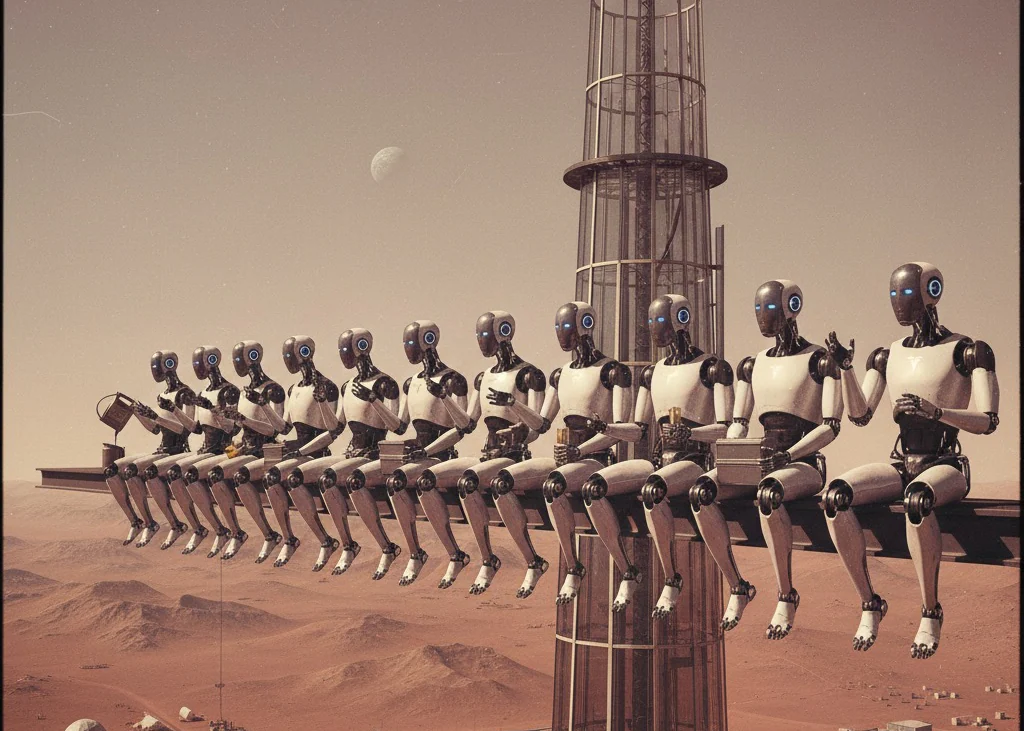
Elon Musk has never been one to think small. From reimagining electric cars with Tesla to building reusable rockets with SpaceX, his ambitions consistently stretch the limits of science and engineering. Now, Musk has hinted at a new frontier that combines two of his most exciting projects: sending Optimus robots to space aboard SpaceX rockets as early as 2026 or 2027.
What Is Optimus?
Optimus, also known as Tesla Bot, is a humanoid robot currently being developed by Tesla. Designed to handle tasks that are unsafe, repetitive, or boring for humans, Optimus stands about 5’8” tall and is equipped with sensors, cameras, and AI powered by Tesla’s self-driving technology. While still in its early stages, Musk envisions Optimus as more than just a factory assistant—it could one day become a helper for everyday life.
Why Space?
Sending robots into space is not a new idea. NASA has already used robotic systems, like Robonaut and Canadarm, to assist astronauts on the International Space Station. However, Musk’s vision is much more ambitious. By deploying Optimus robots into orbit—or eventually to the Moon and Mars—SpaceX could accelerate space colonisation while reducing risks for human astronauts.
Imagine Optimus robots:
- Constructing habitats on Mars before human crews arrive.
- Carrying out repairs on spacecraft in dangerous conditions.
- Supporting astronauts with heavy lifting and resource management.