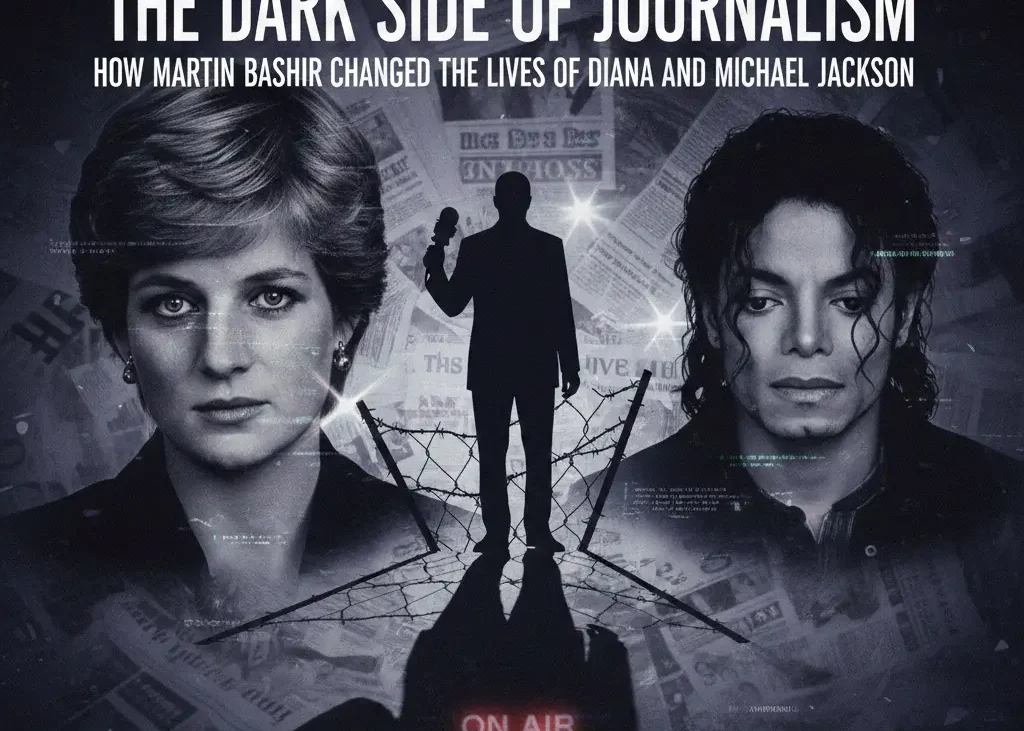
Martin Bashir is a journalist whose name evokes both admiration and controversy. Known for securing exclusive interviews, he also left lasting damage on his subjects—most famously Princess Diana and Michael Jackson. While these interviews were celebrated at the time, the deceptive methods Bashir used reveal how journalism can profoundly affect lives.
Who Is Martin Bashir?
- Profession: British journalist
- Work: BBC, ABC, MSNBC
- Claim to Fame: 1995 Panorama interview with Princess Diana
“He was one of the most celebrated interviewers of his time—but fame came with a cost.”
Timeline of Controversy
| Year |
Event |
| 1995 |
Bashir interviews Princess Diana on Panorama. |
| 2003 |
Releases Living with Michael Jackson documentary. |
| 2021 |
Dyson report confirms deceit in Diana interview; Bashir resigns from BBC. |
Diana: Deception Behind the Spotlight
The 1995 Panorama interview with Princess Diana was initially hailed as groundbreaking journalism. Decades later, it became clear that Bashir had used deceptive methods to secure it.
What Went Wrong
1. Fake Bank Statements
- Bashir commissioned false bank statements shown to Diana’s brother, Earl Spencer, to suggest that royal insiders were leaking stories for money.
- This manipulation secured Diana’s trust and access for the interview.
2. Deceitful Behaviour
- The Dyson report described Bashir’s actions as “deceitful,” breaching BBC editorial guidelines.
- Bashir later apologised, calling creating the fake statements a “stupid thing,” but claimed Diana would have agreed to the interview regardless.
3. Internal BBC Failings
- BBC management initially failed to investigate complaints.
- Staff rehiring Bashir in 2016 were not fully aware of his prior misconduct.
4. Racism and Jealousy Claims
- Bashir suggested criticism of him stemmed from professional jealousy and his “non-white, working-class roots.”
5. Slander of Diana’s Chauffeur
- Bashir accused Diana’s chauffeur, Steve Davies, of leaking stories.
- The claim was false; the BBC later compensated Davies.
Consequences:
- Bashir resigned from the BBC.
- The BBC publicly apologised.
- Diana interview’s legacy is largely defined by deceit rather than journalistic achievement.
“While he didn’t sell stories in the literal sense, he faked evidence and manipulated people to get the interview—a decision that has tarnished both the BBC and Diana’s story.”
Michael Jackson: Misrepresentation on a Global Stage
In 2003, Bashir produced the documentary Living with Michael Jackson. Jackson later claimed that Bashir misrepresented his words and selectively edited footage to present him negatively.
Key Issues
- The documentary turned public opinion against Jackson, portraying him as eccentric and controversial.
- Jackson’s reputation, already fragile, suffered long-term damage affecting his career, legal situation, and personal life.
- Jackson described the documentary as “deceptive,” saying it misrepresented both his character and intentions.
“Bashir’s methods—selective editing, misleading questions, and sensational focus—demonstrate how journalism can inflict lasting harm.”
Lessons Learned
The cases of Diana and Michael Jackson highlight the immense responsibility journalists carry:
- Ethics matter more than ratings.
- Human consequences are real.
- Sensationalism without integrity can destroy lives.
Behind every headline is a human being. When ethics are ignored, the consequences can be profound and enduring.
Sidebar: Bashir’s Ethical Breaches
- Deception: Fake bank statements to manipulate Diana and Earl Spencer
- Manipulation: Misleading subjects and sources
- Misrepresentation: Selective editing for sensationalism (Jackson documentary)
- Institutional Failure: BBC management failed to act appropriately
💡 Takeaway: Martin Bashir’s interviews with Diana and Michael Jackson serve as cautionary tales: journalism is powerful, but without ethics, it can permanently harm the lives it seeks to document.