
What Waymo’s SF Outage Teaches Us About Automation Resilience
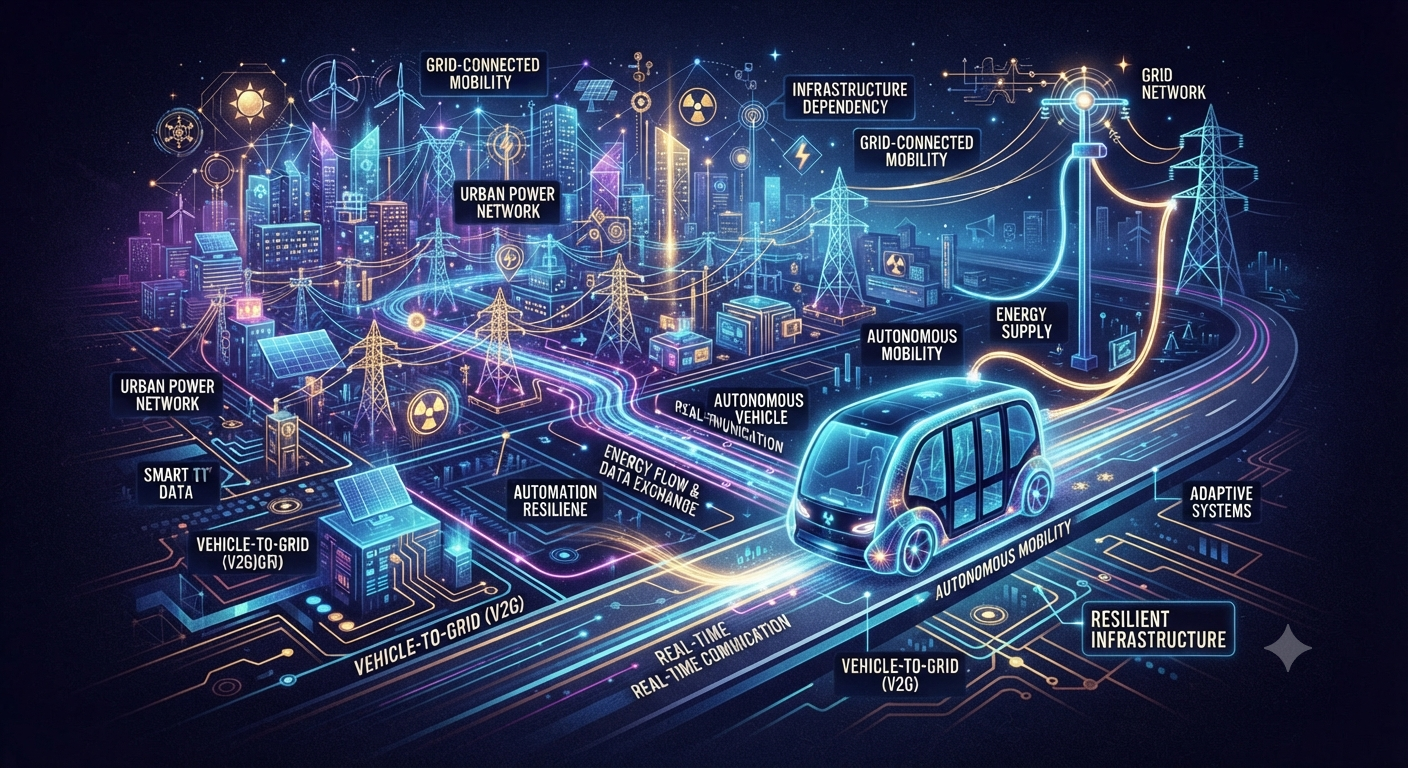
When Waymo temporarily paused its autonomous ride-hailing service in San Francisco due to a power outage, it served as a stark reminder for engineering and product leaders. Even the most sophisticated autonomous systems, powered by cutting-edge machine learning and advanced sensor arrays, remain entirely dependent on basic physical infrastructure. When the power grid falters, the future of transportation grinds to a halt.
The Fallacy of the Self-Sustaining System
As organizations rush to integrate artificial intelligence and complex automation into their workflows, they frequently fall into a common trap: assuming the underlying digital and physical infrastructure is infallible. We design workflows under the assumption that APIs are always up, latency is negligible, and power is constant. But as the Waymo incident demonstrates, systemic dependencies are the ultimate bottleneck.
For software teams, this dependency is rarely a physical power grid, but rather a web of third-party APIs, cloud hosting providers, and external data pipelines. If your intelligent automation relies on a single LLM provider or a fragile data sync without a backup plan, your system is just one minor outage away from a total shutdown.
Designing for Graceful Degradation
Building resilient automated systems requires shifting focus from the "happy path" to failure mode engineering. Instead of allowing a dependency failure to break the entire pipeline, systems must be built to degrade gracefully. This involves implementing several key architectural patterns:
- Local Failovers: Keep critical decision-making logic or lightweight backup models local to avoid complete reliance on external network calls.
- Queue-Based Architectures: Use robust message queues to buffer requests when downstream services or power grids go offline, ensuring no data or user requests are lost.
- Circuit Breakers: Automatically halt requests to failing dependencies to prevent cascading failures across your entire system.
Mapping Your Automation Dependencies
To avoid costly downtime, engineering leaders must audit their automated workflows with the same rigor they apply to core application databases. Identify every external API, cloud resource, and hardware dependency in your pipeline. Ask your team: what happens to our product if this specific node goes dark for an hour?
At Presence Digital, we help teams navigate these exact challenges. By building maintainable workflows and clean data pipelines, we ensure that your intelligent automation is resilient enough to handle real-world volatility without breaking your core operations.
The Operational Takeaway
True automation velocity isn't just about how fast you can deploy an AI model; it is about how reliably that model performs under suboptimal conditions. Whether you are operating a fleet of autonomous vehicles or running automated backend workflows, resilience must be baked into the architecture from day one. Build for the outage, and your system will survive the unexpected.